
How to Build a Property Protection System That Actually Gives You Peace of Mind
Peace of mind in hosting comes from having a clear path to recovery before something goes wrong, not from figuring it out under pressure after it already has.

Key takeaways
- Read AirCover’s claims process and coverage details before you need to file a claim.
- Photograph your property before every check-in and immediately after checkout, storing photos with the date and booking reference.
- Identify the AirCover gap that matters most for your property and address that one first.
- Clearly disclose every component of your protection system in your listing before guests book.
The measure of a good protection system is not whether it covers everything in theory. It is whether you feel genuinely confident handing over your keys before a stay. If your current approach leaves you with a quiet anxiety about what might happen, the system needs work regardless of what it looks like on paper.
Here is how to build a protection approach that gives you real confidence rather than the feeling of having done something.
Start by understanding what AirCover actually requires
If you rely on AirCover and have never filed a claim, the most valuable thing you can do right now is spend twenty minutes reading the actual documentation. Not the marketing summary. The actual claims process and coverage details.
Specifically, find out: what the documentation requirements are for a successful claim, whether the platform covers repair or replacement for different categories of damage, how depreciation affects payouts for older items, what the minimum claim threshold is, and whether owner time is covered, which it typically is not. The contractor bid requirement in particular surprises hosts who discover it at claim time. Getting a bid even for work you plan to do yourself is what makes the claim valid.
This knowledge is worth having before something happens rather than discovering it in the middle of managing a damage situation.
Document your property before every stay
No protection system works without documentation. Photos taken immediately before a guest arrives and immediately after they leave are the foundation of any successful damage claim, whether through the platform or through a deposit process.
Develop a consistent documentation routine. Walk through the property with your phone before every check-in, photographing the condition of every surface, appliance, and piece of furniture that has any value or vulnerability. Store the photos with the date and the booking reference. Do the same walkthrough immediately after checkout before any cleaning occurs.
This routine takes about ten minutes and is the single most important protective step available to any host, regardless of which protection mechanism they use. A claim without before photos is very difficult to win. A claim with clear, time-stamped before and after documentation is much more straightforward.
Decide what gap in AirCover you need to fill
AirCover is most effective for significant damage where the documentation is clear and the claim value is substantial. It is least effective for small claims, for items where depreciation significantly reduces the payout, and for the administrative burden of filing claims for every minor issue.
Identify which of these gaps is most relevant to your property. If your primary concern is small, frequent damage, a third-party damage waiver service addresses that gap specifically. If your concern is major damage where AirCover's limits might be insufficient, an additional damage policy provides higher coverage. If your concern is the ability to recover small damages quickly without guest confrontation, a deposit system gives you direct control.
You do not need to fill every gap with every mechanism. Know which gap matters most for your property and address that one first.
If you want to use a deposit system, set it up before you need it
A security deposit system run through a property management system works smoothly when it is configured before any booking requires you to use it. The time to figure out how credit card holds work, how long the hold is maintained, and what the process is for retaining part of the deposit is before a guest causes damage, not during the stressful forty-eight hours after checkout when you are trying to decide what to do.
Research the specific property management system you intend to use, understand exactly how the deposit flow works from booking to release, and test the process with a small hold before you implement it for real stays. Know in advance what you can and cannot retain under the terms of your hosting platform and your local laws.
For small claims, consider a third-party waiver instead of AirCover
Several hosts described using a damage waiver through third-party services specifically to address the small claims problem. The mechanism works by charging guests a modest per-booking fee that funds claims for minor damage, broken items, stained linens, and similar small issues, without requiring the host to file through the platform or request payment from the guest after checkout.
The transparency requirement is important: most guests accept the waiver without complaint when it is disclosed clearly in the listing and booking confirmation. Guests who push back against it are sometimes revealing something about their plans that the pushback itself makes visible. The key is disclosing it upfront rather than presenting it as a surprise at checkout.
State your approach clearly in your listing
Whatever protection system you use, every component of it should be visible to guests before they book. A security deposit mentioned in the listing and the house rules is rarely a surprise. A deposit mentioned for the first time after a guest has already confirmed is a friction point that damages the relationship before the stay begins.
One host described showing guests the section of the Airbnb help documentation that confirms deposits are permitted when disclosed. That single step, linking to the platform's own policy, has defused almost every guest question he has received about the deposit requirement. Transparency and a clear policy reference do most of the work.
Know what your escalation path is before you need it
When damage occurs, the stress of the situation tends to impair decision-making. Having a clear, written escalation path that you have thought through in advance is valuable precisely because you do not want to be creating it under pressure.
What is the first step: document the damage with photos. Second: message the guest through the platform, professionally and factually, with the documentation attached. Third: if a resolution is not reached with the guest, file the appropriate claim through the platform or your protection mechanism. Fourth: follow up on the claim with the additional documentation the process requires.
None of these steps requires improvisation if you have done the thinking in advance. The calm, documented, sequential approach is both more effective and less stressful than reacting under pressure to a situation you were not prepared for.
Keep reading
Airbnb optimization specialist, Superhost, and founder of one of the largest Airbnb host communities.
Continue Reading
Chosen for you from The Optimization Journal.
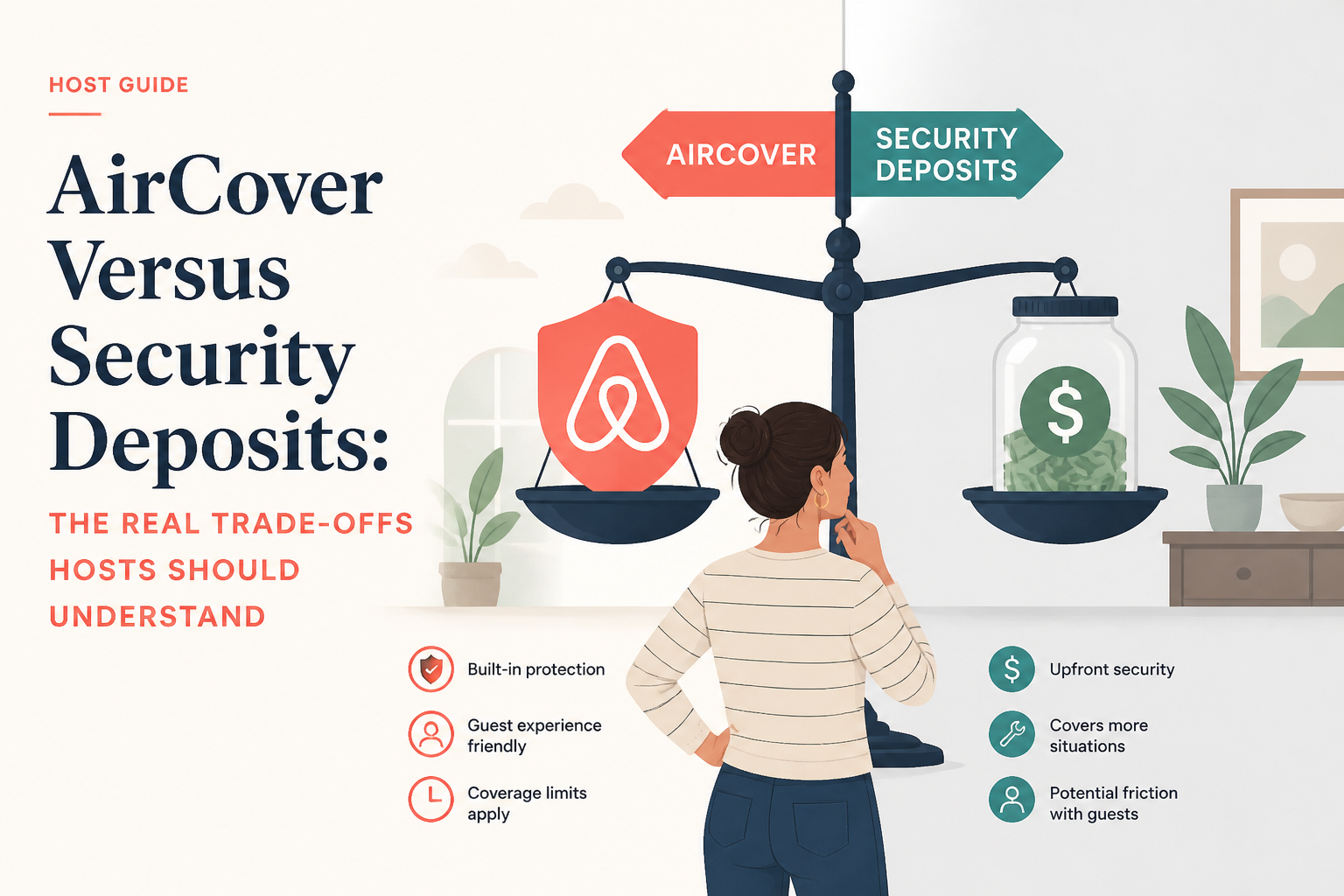 AirCover Versus Security Deposits: The Real Trade-Offs Hosts Should Understand
Both approaches work for different hosts in different situations. What makes the difference is not which one you choose but whether you understand what each one actually does and does not do.
5 min read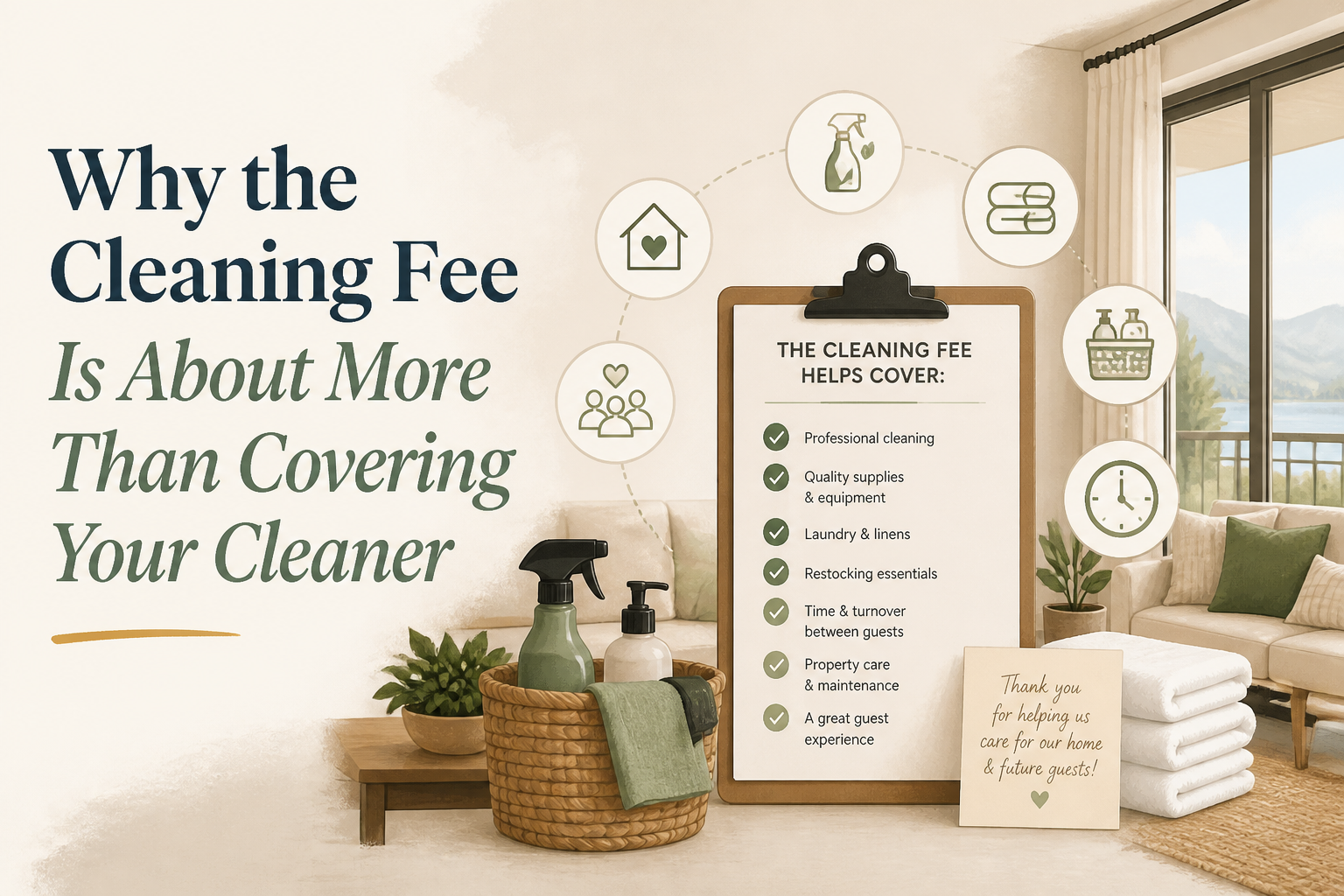 Why the Cleaning Fee Is About More Than Covering Your Cleaner
The cleaning fee question touches platform mechanics, guest psychology, dispute protection, and how guests compare your listing to the hotel down the road. The decision is worth thinking about carefully.
4 min read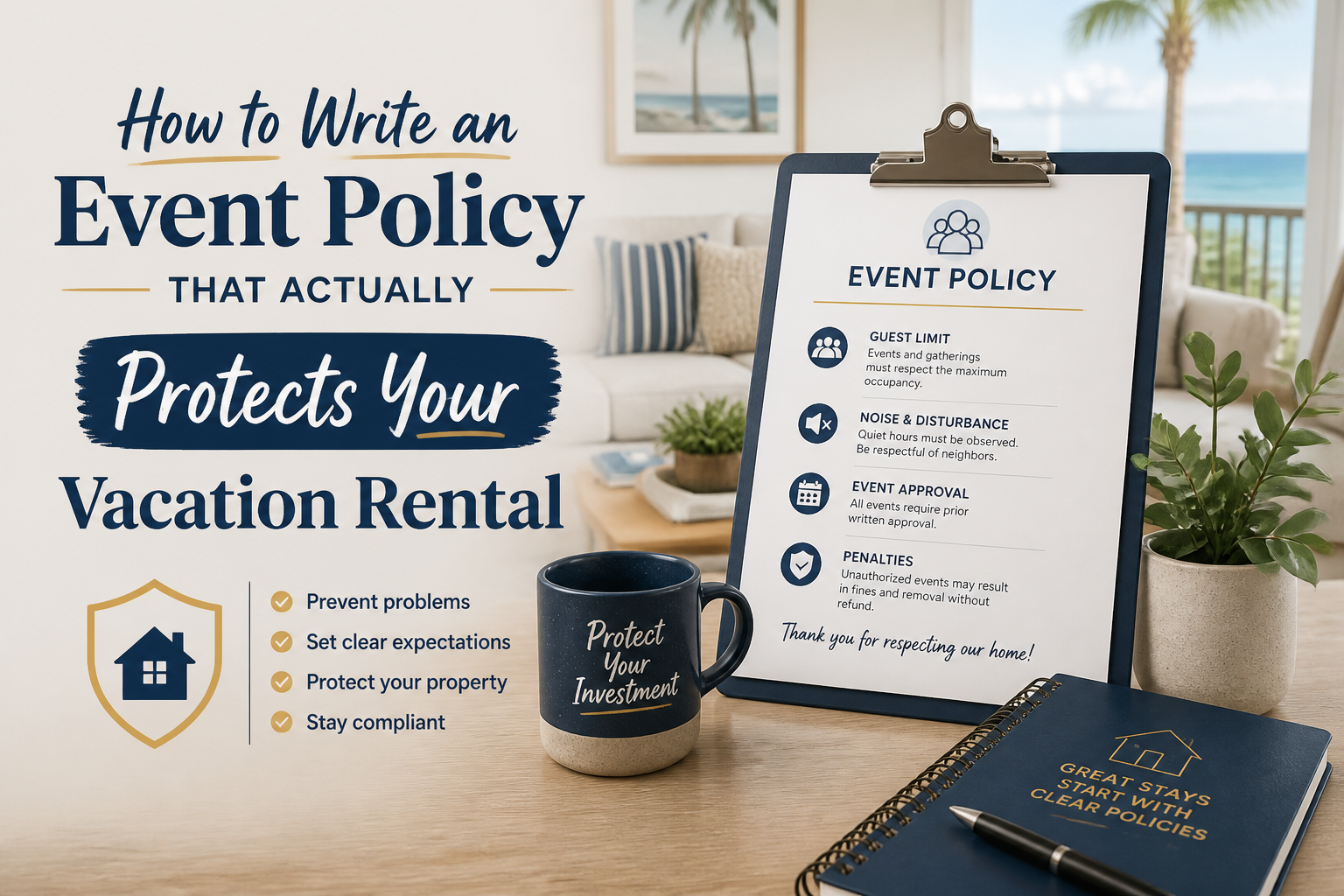 How to Write an Event Policy That Actually Protects Your Vacation Rental
A no-party rule is only as good as how clearly it's communicated. Here's how experienced hosts define, enforce, and occasionally profit from their event policies.
5 min read Parties and Vacation Rentals: Where Hosts Draw the Line
Every host eventually gets a booking that makes them pause. How you respond to that moment — before it becomes a problem — is what separates a clear policy from a costly lesson.
5 min read How to Make a Pet-Friendly Airbnb Actually Work
Allowing pets is a business decision, not just a gesture of goodwill. The hosts who get it right have built specific systems around it. Here's what those systems look like.
5 min read